
"Roasting Plant"
4000 article(s) found

How much is Costa Rican honey treated with rose summer coffee price
The exchange of professional baristas please follow Coffee Workshop (Wechat official account cafe_style) Otis Gangyan Manor, Costa Rica Otis Gangyan processing Plant is a burgeoning Costa Rican estate, the family cooperative was founded in 1994, but did not set up its own processing plant until 2005, which is now 17 years old. The Otis granite treatment plant is located in San Ma, Tarrazu.
What is boutique coffee raw bean purchasers roast coffee beans definition of premium coffee
Only high-level planting techniques in line with the standard can produce high-quality coffee, including the grasp of microclimate, nursing care in the process of plant growth, picking techniques, raw bean processing technology and so on. Only when all links meet high standards and strict requirements, can the coffee produced be called high-quality. To this end, every grower must always bear in mind the production standards.

Description of taste and aroma characteristics of rose summer flavor treated with Tara Zhuotis granite yellow honey, Costa Rica
Flavor: dry fragrance is a delicate aroma of spring tea mixed with a hint of orange peel and chocolate, scented tea, rose fruit, green grape, gradually showing with the change of temperature, the juicy sweetness of lemon and peach, and the remaining rhyme is the name of orange bar chocolate factory: coffee factory address: No. 10 Baoqian Street, Yuexiu District, Guangzhou, contact information: 020-38364473 shelf life: 90 net content:

Detailed analysis of coffee bean ingredients
Volatile substances: Volatile substances are the main source of coffee flavor and are especially important for coffee quality. There are many kinds of volatile compounds in coffee, and their existence will affect the aroma quality of coffee. The main source is derived from non-volatile substances from raw beans, which are broken off or reacted during roasting. Thermal decomposition, other reactions, or interactions between components, e.g. sugar

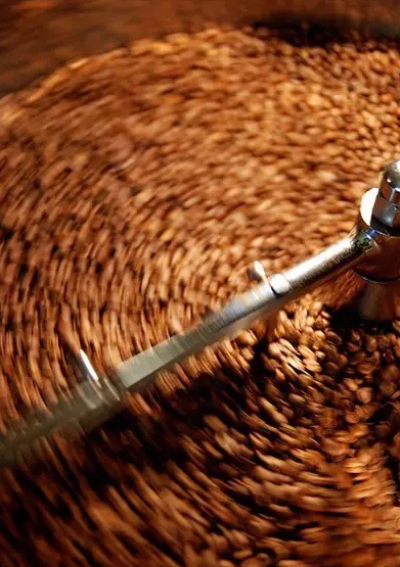
Coffee roasting: what does coffee roasting mean? how do professional roasting cafes bake coffee?
Professional coffee knowledge exchange more coffee bean information please follow the coffee workshop (Wechat official account cafe_style) from the origin to the pot cup, the intermediary point most related to the smell of coffee in the journey is roasting. We plant coffee trees in the tropics, condensing the abundant equatorial sunlight into coffee beans, and then through the baking process, the grass-flavored wood is baked into caramel sweetness, milk and oil.

Detailed analysis of low molecular weight sugars in coffee beans
Moisture: the water content of coffee beans varies greatly with different processing stages and products. The moisture content of wet coffee beans with film is about 50%, while that of dried raw coffee beans is about 10%-13%. The water content of roasted coffee beans is only less than 5%. The existence of water in coffee beans is the same as other kinds of food and beverages, because it contains a considerable amount of hydration colloid macromolecules.
Introduction to the roasting degree and flavor of coffee from GETHUMBWINI Manor in Kenya
For the exchange of professional baristas, please follow the coffee workshop (Wechat official account cafe_style) Kenya, a giant in the coffee market and a model country for producing fine coffee. GETHUMBWINI Manor is its leading coffee farm. In 1957, the French company SOCFINAF owned GETHUMBWINI Manor, which has long been a raw bean merchant in Europe after 80 years of careful management and cultivation.

Yunnan fine coffee beans, the origin story of the Chinese own good coffee, Front Street 2013.
Yunnan Qianjie 2013Country of Origin: ChinaProduction area: Lincang, YunnanVariety: Iron PickupAltitude: 1300mTreatment: Sunbaked Degree: ModerateRoasted Flavors are nutty, berry, brown sugar, tea. Lincang City Lincang City is located in the southwest of Yunnan Province. The Tropic of Cancer runs through the south, adjacent to Pu 'er in the east, Dali in the north, Baoshan in the west, and the border with Myanmar in the southwest.

Detailed Analysis of Coffee Bean ingredients basic knowledge of Fine Coffee
Moisture: the water content of coffee beans varies greatly with different processing stages and products. The moisture content of wet coffee beans with film is about 50%, while that of dried raw coffee beans is about 10%-13%. The water content of roasted coffee beans is only less than 5%. The existence of water in coffee beans is the same as other kinds of food and beverages, because it contains a considerable amount of hydration colloid macromolecules.

Kilimanjaro Coffee roasting degree Fine Coffee Flavor taste description Manor introduction
Tanzanian coffee is mostly washed. After picking, coffee farmers will send the coffee fruit to the nearest processing plant for processing. The treatment step of the water washing method is to screen and remove the impurities in the coffee fruit, then remove the coffee pulp and exocarp, send it into the fermentation tank, and remove the pectin layer from the inner pericarp by fermentation. Clean
Basic knowledge of boutique coffee bean ingredients
★ volatile compounds: volatile compounds are the main source of coffee flavor, especially important for coffee quality. There are many kinds of volatile substances in coffee, and their existence will affect the aroma quality of coffee. Its main source is derived from non-volatile substances in raw beans which are disconnected or derived after reaction in the process of roasting. The role of thermal decomposition, other reactions, or compositions, such as sugar.

A brief introduction to the processing method of grinding degree and roasting degree of full-flavored snow vein manor fine coffee beans
Bolivia is not a big coffee producer, but the excellent altitude and climatic conditions of the La Paz Mountains make the coffee produced here excellent. Bolivian fine coffee is delicate, bright, sweet and aromatic, and is a typical coffee that makes people feel clean and relaxed. The coffee here has subtle fruity aromas such as pear, apple, apricot, orange and lemon. Taste malt and chocolate to

Detailed analysis of the ingredients of coffee beans general knowledge of fine coffee
Moisture: the water content of coffee beans varies greatly with different processing stages and products. The moisture content of wet coffee beans with film is about 50%, while that of dried raw coffee beans is about 10%-13%. The water content of roasted coffee beans is only less than 5%. The existence of water in coffee beans is the same as other kinds of food and beverages, because it contains a considerable amount of hydration colloid macromolecules.
Detailed analysis of volatile compounds in coffee beans
★ volatile compounds: volatile compounds are the main source of coffee flavor, especially important for coffee quality. There are many kinds of volatile substances in coffee, and their existence will affect the aroma quality of coffee. Its main source is derived from non-volatile substances in raw beans which are disconnected or derived after reaction in the process of roasting. The role of thermal decomposition, other reactions, or compositions, such as sugar.

A brief introduction to the market price of Essex plus Chuefei washing Wakayega native high-quality coffee beans
Compared with the traditional sun-treated Harald area, sun exposure is not common. As the first water washing plant in Ethiopia, coffee drinkers are more familiar with Yejia, which is famous for its elegant lemon and orange style. The coffee flavor treated with water washing is not easy to have wild flavor, has the characteristics of purity and freshness, and is suitable for light roasting degree.

Treatment of rose summer planting with yellow honey from Tara Zhuotis rock, Costa Rica, geographical location, climate sea
Characteristics of honey treatment: sugar content is tested first when picking, only coffee fruits with sugar content of 2122% are picked; honey treatment is different from other processing methods and should be dried on AFRICAN BED (tanning bed). If it dries directly on the cement or on the land, it is easy to scratch the coffee beans when turned, resulting in bacterial damage. Direct soil exposure will also give coffee beans an earthy taste.

Detailed Analysis of the components of Coffee beans
★ volatile compounds: volatile compounds are the main source of coffee flavor, especially important for coffee quality. There are many kinds of volatile substances in coffee, and their existence will affect the aroma quality of coffee. Its main source is derived from non-volatile substances in raw beans which are disconnected or derived after reaction in the process of roasting. The role of thermal decomposition, other reactions, or compositions, such as sugar.

Kenyan hole fish taste and flavor characteristics of Kenyan hole fish coffee
Professional barista communication please pay attention to coffee workshop (Wechat official account cafe_style) factory name: Qianjie Coffee Factory address: Guangzhou Yuexiu District Baoqian Street 10 Qianjie Cafe manufacturer contact Information: 20-38364473 shelf life: 90 net content: 227g packaging: raw maturity of bulk coffee beans: whether coffee beans contain sugar: sugar-free origin: Kenyan coffee types: other roasting degrees:

Flavor description characteristics of roasting degree of Yega Xuefei Coffee Bean
The exchange of professional baristas please follow the coffee workshop (Wechat official account cafe_style) Ethiopia is the country where coffee was first discovered, there is still a lot of wild coffee picked and used by farmers in the virgin forest, is Ethiopia a poor country? Drought? A country with constant civil war, but is still the most important coffee producer in terms of coffee quality and output. Ethiopia

Coffee roasting from practice-roasting knowledge that cannot be learned in coffee roasting school
Professional coffee knowledge exchange more coffee bean information please follow the coffee workshop (Wechat official account cafe_style) Coffee roasting skills Coffee roasting purpose and characteristics of coffee beans from the origin to the pot cup, coffee in the journey most related to the smell of the intermediary point is roasting. We plant coffee trees in the tropics to condense the abundant equatorial sunlight into coffee beans, and then